Featured
Table of Contents
As an outcome, Capital One was able to reduce costs by empowering customers to do more through the app while at the same time being familiar with their customers much better through the data they gather. Armed with this information marketers at the business are able to learn much more about their consumers. From its very starts, Coursera has actually depended on cloud computing to deliver its courses to individuals around the world.
By putting education online, the company also accessed to vast amounts of data about what individuals wanted to learn. Using AI and ML to evaluate this information, the company has actually had the ability to push more individualized suggestions, see what areas warrant more financial investment, and usually enhance the experience of its users.
While this initially drew heavy criticism, the business was eventually able to develop an effective cloud-based set of tools that clients could easily access from anywhere and from any device. By continuing to buy innovation and remaining concentrated on the end-customer, Adobe was ultimately able to transform its own organization model and provide a higher-quality service.
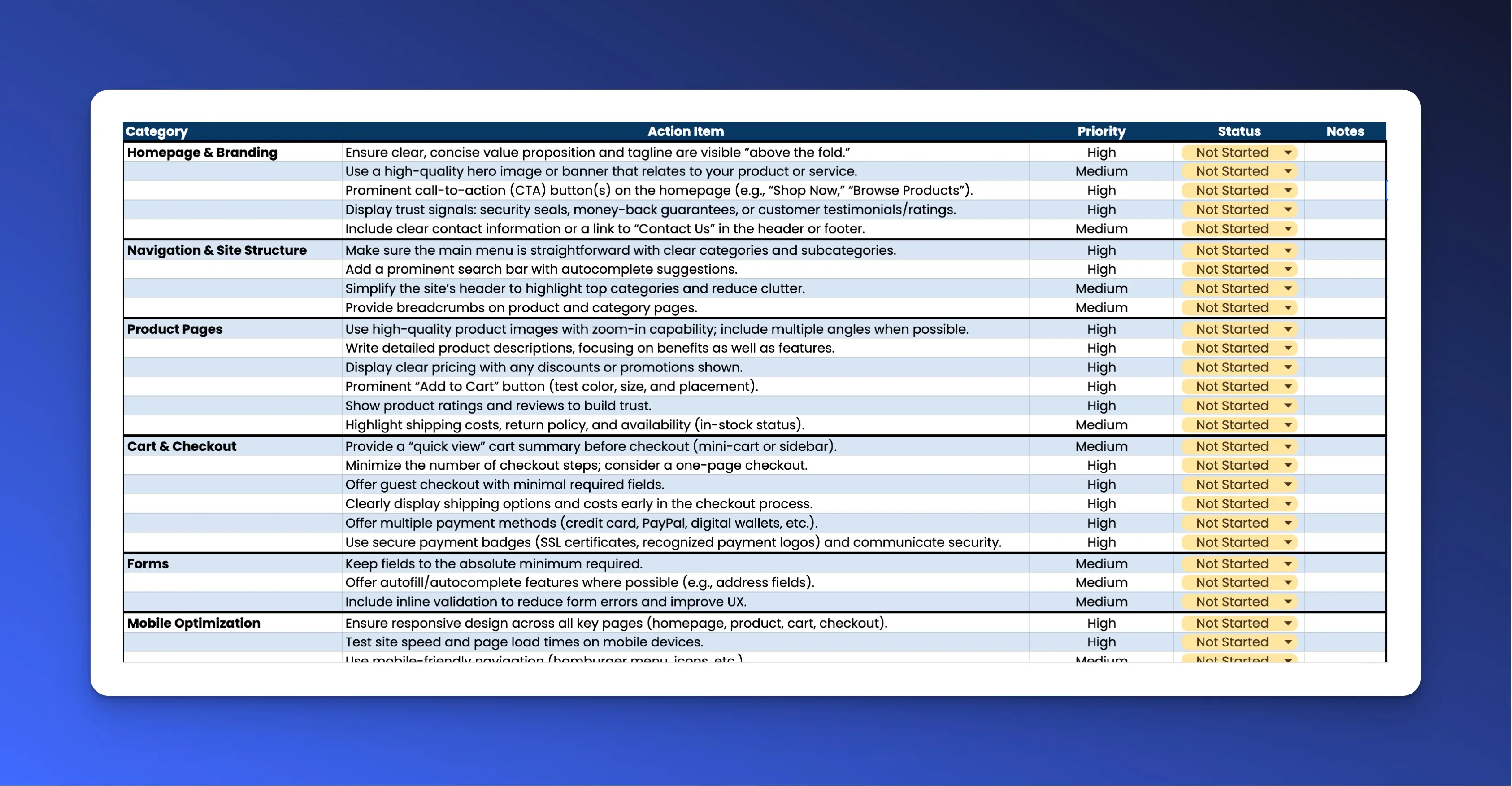
Improving Funnel Performance With Strategic CRO
By utilizing strategies like 3D printing and computer-assisted style together with the Industrial Web of Things (IIoT), they had the ability to create more efficient items faster than ever in the past. When developed, the company started using AI and information analytics to study the efficiency of its items and drive more enhancements. In this method, they have actually now integrated digital technology into every phase of their item design procedures.
Its reaction, also like several others on this list, was to buy smart device and web-based apps to enable consumers to shop and tailor their shoes in a method physical shops have actually never been able to supply. This both developed greater consumer loyalty and offered the business far higher access to information about those customers.
Among the greatest challenges faced by furniture buyers is thinking of how a piece will suit their area. IKEA chose to invest greatly in AR technology to enable its consumers to project digital 3D pictures of their furniture directly into their homes. Along with this innovation, the company has made significant financial investments into ecommerce and AI-driven chatbots.
Mastering Business Transformation in Today's Enterprises
While DHL's digital transformation journey was just just recently spurred on by the Covid-19 pandemic, they have actually considering that made massive financial investments in quality assurance and client experience. In specific, by utilizing AI and ML to examine enormous quantities of data from its worldwide network of carriers in order to constantly optimize this complex logistics network.
On the one hand, Toyota has actually long been a leader in making with the development of the famous "Toyota production system" in the mid-20th century. In the spirit of digital change, the business has actually continued to innovate and invest in innovation to drive its manufacturing into this century.
The business has actually likewise used 3D printing to faster repeat during the style phase. The total result is faster iterations and a maintenance of the company's track record for quality. While the business has actually struggled in current decades, a significant decision was made to focus more narrowly on health care innovation.
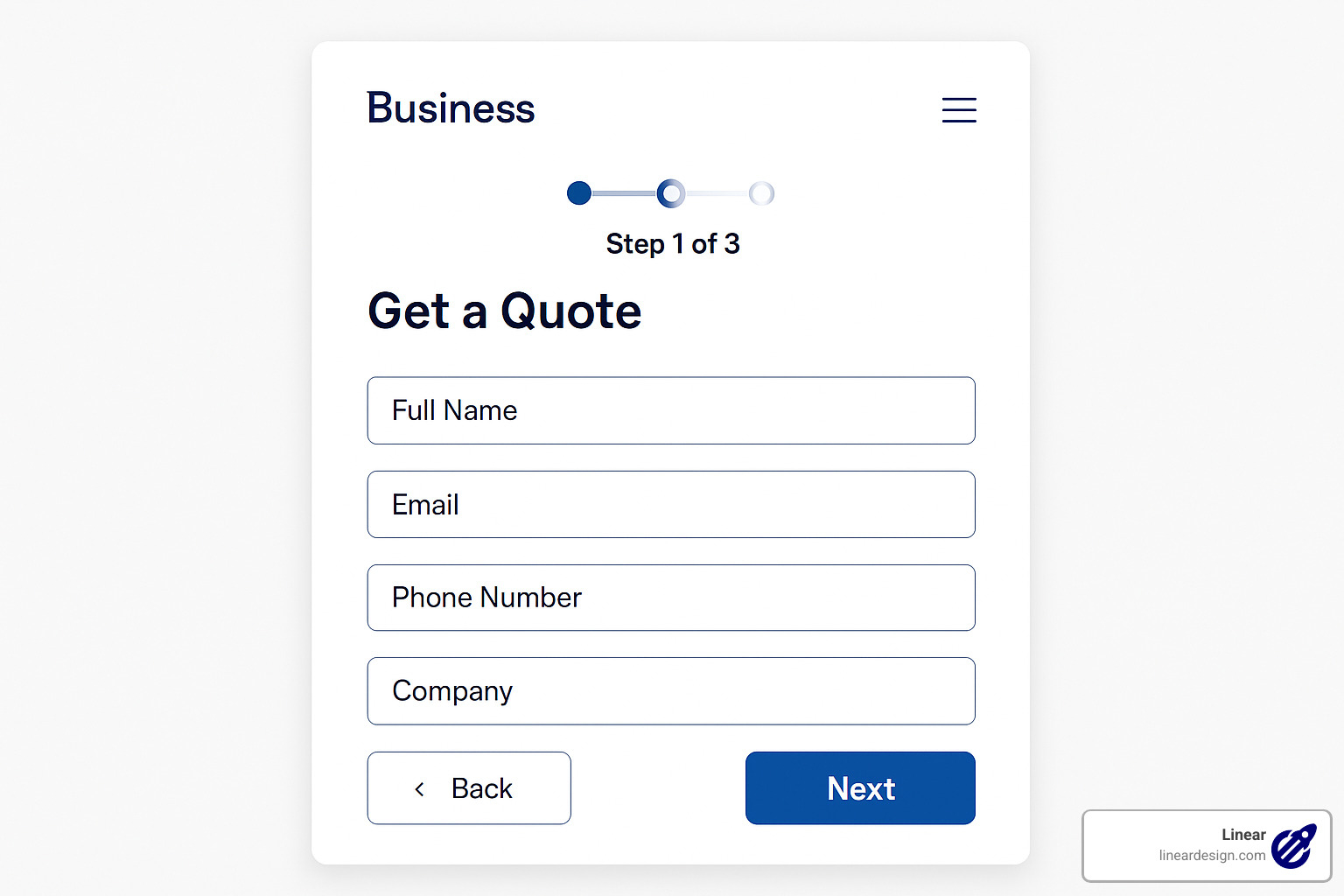
As an outcome, the business is no longer as tied down to its manufacturing and product advancement roots and has access to far more information it can utilize to further innovate on its product or services. Long called a simple manufacturer of building equipment, they have actually now transitioned into both a software and hardware company.
Obviously, as in many examples on this list, this information can then be used by Caterpillar to enhance its items and services. It's simple to forget that Netflix started its life as a direct-to-consumer DVD company. Acknowledging that the method we take in media was quick evolving, the business has actually used a digital change method to assist build its streaming platform.
Navigating Business Evolution in Today's Enterprises
As a result, the company is now able to identify trends, act upon them, and generally repeat far quicker. Like with Philips, the Mayo Center recognized that the course forward for medicine lay in the pairing of innovative medical devices with sophisticated software. Today, the company uses AI and ML algorithms to assist medical professionals in identifying conditions.
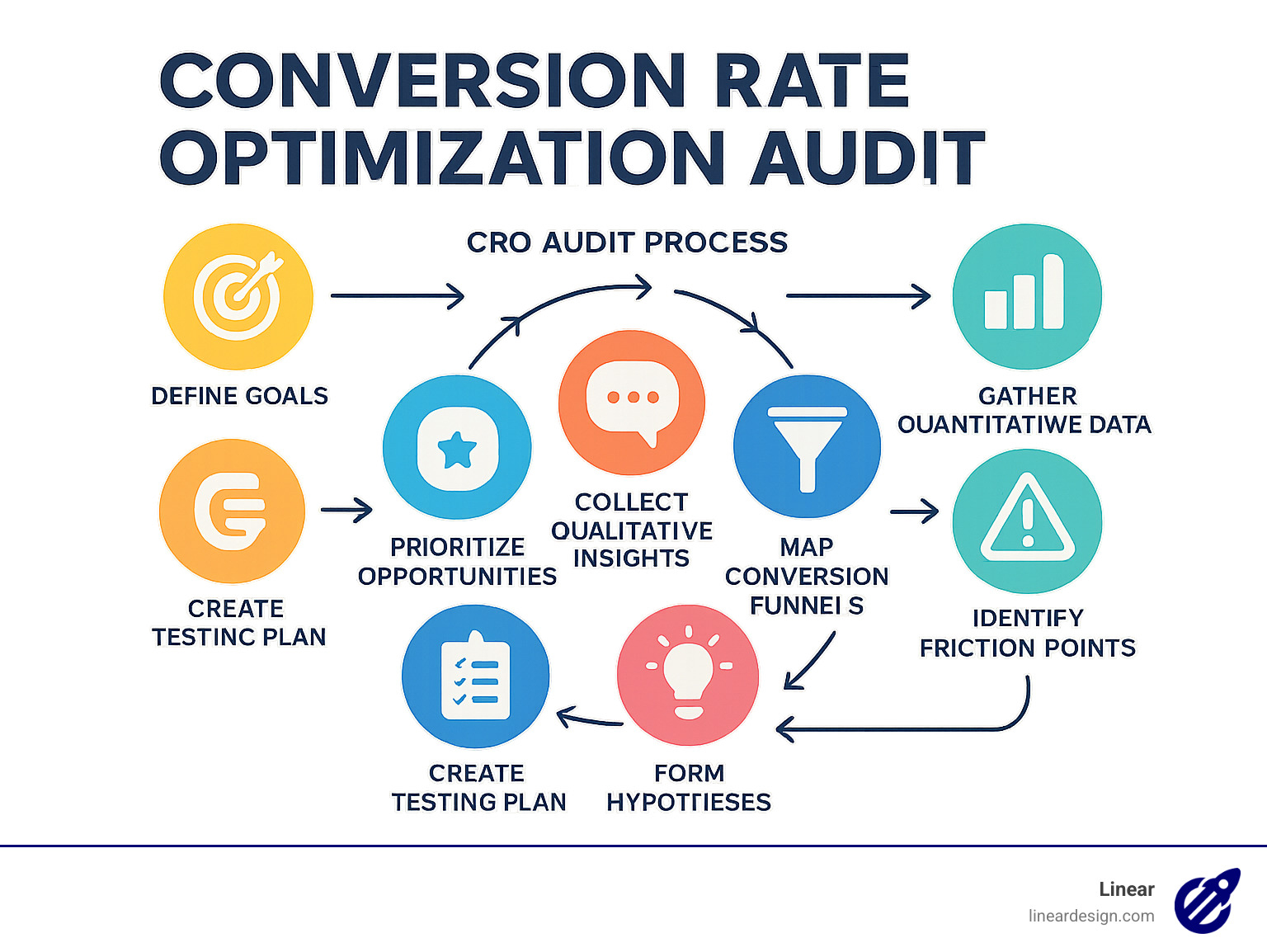
The Center also has actually used cloud services to allow remote consultations and other telehealth services, even more optimizing the flexibility of its workforce. While Airbnb has constantly been an extremely technology-focused business owing to its young age and the nature of its product, this focus has actually only increased with time.
In addition, Airbnb uses AI and ML to examine customer data and supply premium suggestions. The business likewise leverages this data for its own decision making, providing an excellent understanding of their customers and their discomfort points. Thinking about just how much the business's original innovations around community and location were not built on technology, Starbucks has actually made an unexpected shift towards being a technology-focused brand.
Essential Tips for Building a Powerful Business Portfolio
With their origins far closer to the US Civil War than the production of contemporary cell phone innovation, AT&T required a robust digital change method to stay competitive in a fast-changing telecom landscape. To do this, the company began using AI-powered chatbots to handle routine customer concerns and minimize their own need for client service representatives.
Throughout, AT&T gathered more data and was better able to understand its consumers and its own complex systems. With such a complicated network of services and products, Disney has utilized digital change to connect them together with new technologies. One example is their Disney+ streaming service, but the true impact goes far much deeper, with heavy investment in personalization tied to their amusement park, physical shops, and digital experiences.
Digital transformation can have an extensive effect on service efficiency but understanding which technology investments will truly move the needle isn't constantly simple for companies. In fact, when it comes to implementing digital change tasks, producers and manufacturers across industries are feeling a great deal of uncertainty and anxiety and it's not completely unfounded.
Developing Seamless Online User Experiences
What's more, just 16% of participants stated their organizations' digital change efforts have successfully enhanced performance while equipping them to sustain modifications in the long term. This isn't how digital improvement is supposed to work. Part of the problem is that many companies do not have a concentrated strategy for their digital improvement initiatives.

Latest Posts
Ways to Effectively Track Digital Business Success
Why Your SEO Audit Is Only Half Completed
Preparing Your Digital Strategy for 2026